

Posting consistently on Facebook or Instagram can make a small business feel like it has marketing covered. You create graphics, share updates, promote services, celebrate customers, and occasionally watch a post generate a burst of engagement. All of that has value. However, social media activity and a complete marketing strategy are not the same thing.
At Mountain Marketing Group, we consider social media an important piece of the marketing puzzle. The problem comes when businesses expect that single piece to do every job: attract new customers, rank on Google, build authority, generate leads, nurture prospects, and keep the company visible everywhere potential customers search.
A stronger strategy gives each marketing channel a specific job and connects those channels so they reinforce one another.
Social Media Gives You Access to a Rented Audience

A business can spend years building thousands of followers on a social platform without actually owning access to that audience. Facebook, Instagram, LinkedIn, TikTok, and other platforms control their algorithms, features, advertising options, and ultimately who sees what you post.
An algorithm change can dramatically reduce organic reach. A platform can suspend an account, change its rules, discontinue a feature, or shift its priorities. Even when nothing dramatic happens, only a fraction of your followers may see an individual post.
That does not make social media a bad investment. It simply means businesses should avoid building their entire marketing presence on property someone else controls.
Your website, original content, customer database, branding, and other assets give you greater control. Instead of choosing between owned assets and social platforms, a comprehensive strategy uses both.
Search and Social Media Capture Different Types of Attention
One of the biggest differences between social media and search comes down to intent.
Someone scrolling through Facebook may see a plumber’s post about water heaters even though their water heater works perfectly. They might remember the company later, and that brand awareness has value. However, someone searching Google for “water heater leaking near me” has an immediate problem and may need a plumber right now.
Those two people represent very different opportunities.
Search marketing—including search engine optimization, Google Business Profile optimization, Local Services Ads, Google Ads, and useful website content—helps businesses appear when consumers actively look for a product, service, or answer.
Meanwhile, social media can introduce your company before that need exists and keep your brand familiar afterward. Effective marketing accounts for both discovery and intent instead of relying exclusively on one or the other.
Your Website Should Serve as Your Marketing Hub
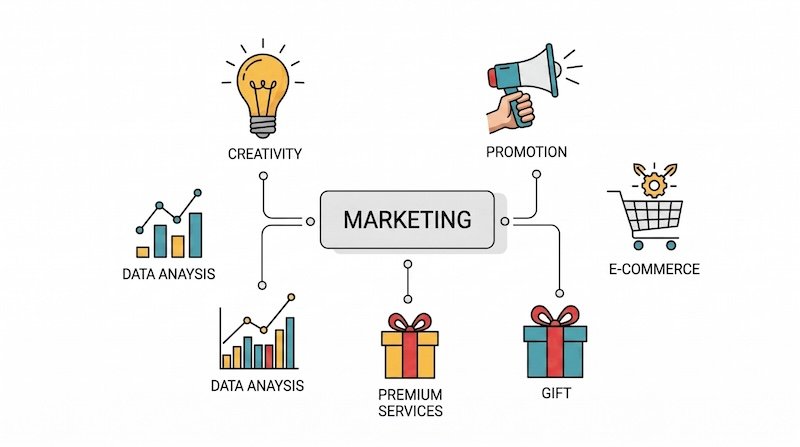
A company’s website should do much more than confirm that the business exists. It gives potential customers a place to learn about services, evaluate expertise, find answers, read reviews or testimonials, and take the next step.
It also gives search engines content they can understand and potentially surface when people search.
Consider what happens when a potential customer sees an interesting social post and wants more information. Where do you send them?
Ideally, you direct them to a useful page on your own website—not simply another post on another platform. That creates an opportunity to move someone from borrowed digital space onto a property your business controls.
Blogs play an important role in this process. A useful blog can answer questions potential customers already ask, demonstrate expertise, support search visibility, and provide fresh material to distribute through multiple marketing channels.
One piece of quality content can fuel far more than one website page.
Social Media Works Exceptionally Well as a Distribution Channel

This is where we believe businesses sometimes underestimate social media by simultaneously expecting too much from it.
Social media does not have to carry your entire marketing strategy to provide tremendous value. Instead, it can help distribute and amplify the marketing assets you create elsewhere.
For example, a single original blog post can support:
- Facebook posts that introduce different aspects of the topic.
- LinkedIn content aimed at a professional audience.
- Google Business Profile updates that reinforce local visibility.
- X posts that highlight individual tips or ideas.
- Email content that reconnects with customers and prospects.
- Future website content built around related questions.
Suddenly, “posting on social media” becomes part of a larger content strategy rather than an isolated activity.
That distinction matters.
Google Visibility Requires More Than Social Activity
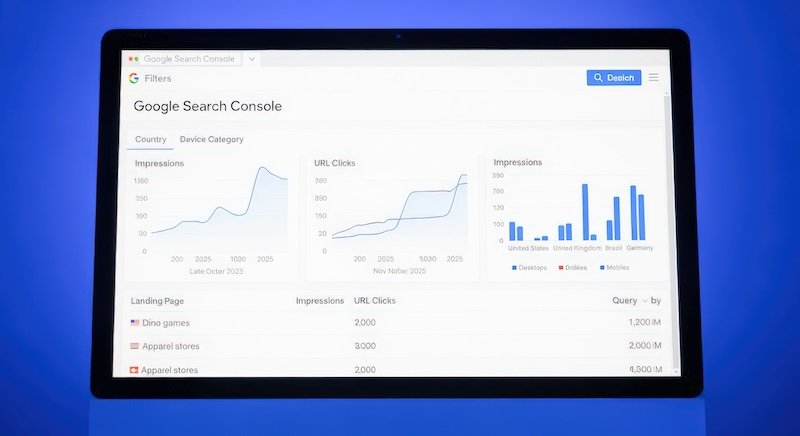
A business can have an active Facebook page and still remain nearly invisible when someone searches Google for its services.
Google evaluates a different set of signals. Your website structure, service pages, local relevance, Google Business Profile, reviews, useful content, technical performance, backlinks, and other factors can all contribute to search visibility.
Paid search adds another opportunity by putting businesses in front of people who actively search for what they provide. Depending on the industry, Local Services Ads, traditional Google Ads, or Performance Max campaigns may complement organic search efforts.
Social activity can support overall brand awareness, but businesses should not assume frequent Facebook or Instagram posts automatically translate into strong Google rankings.
They solve different marketing problems.
Marketing Should Reach People at Different Stages

Think about the path someone might take before becoming a customer. They may first encounter your company through a social post. Several weeks later, they search Google for the service you provide and recognize your business name. They visit your website, read a blog that answers their question, check your reviews, and leave without calling. Two days later, they search again, see one of your ads, return to the website, and finally contact you. Which marketing channel generated that lead?
The answer may be all of them.
Consumers rarely move through a perfectly straight path from first impression to purchase. That is why we build marketing strategies around multiple touchpoints rather than expecting one platform to produce every result.
Give Social Media the Job It Does Best

None of this means businesses should post less or abandon social media. Quite the opposite. Consistent social activity can help businesses stay visible, humanize their brands, showcase their expertise, share company news, build familiarity, and distribute valuable content. The key lies in giving social media the right job.
Instead of asking social media to be your marketing strategy, let it support a broader strategy that includes a strong website, search visibility, original content, local SEO, paid advertising when appropriate, reputation management, and other channels that fit your business.
Marketing becomes much stronger when those pieces work together.
At Mountain Marketing Group, we do not look at websites, blogs, social media, SEO, Google Business Profiles, and advertising as unrelated services. We look at how they connect. Each channel can reinforce the others, creating a larger digital footprint and more opportunities for customers to discover and trust a business.
Because posting is an activity. Marketing is a strategy.

About Mountain Marketing Group in Eagle, Idaho
Mountain Marketing Group is a full-service marketing agency based in Eagle, Idaho, serving businesses throughout Boise and the rest of the Treasure Valley as well as clients across the country. We help small and medium-sized businesses build strong, consistent brands through website design and development, search engine optimization, content marketing, social media marketing, Google Business Profile optimization, digital advertising, and strategic marketing support. By coordinating multiple marketing channels instead of treating them as isolated efforts, we help our clients increase visibility, strengthen their online presence, and reach new heights.