
When Someone Pretends to Be Your Business: The Marketing Side of Email Spoofing
Building a recognizable brand is one of the primary goals of marketing. Businesses invest considerable time and money developing their websites, improving their Google rankings, establishing a social media presence, and creating consistent messaging. However, as a company’s visibility grows, its name and reputation can also become attractive tools for scammers looking to deceive customers.
What Is Business Email Spoofing?
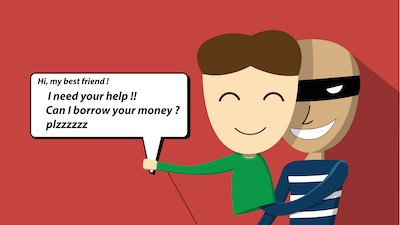
Email spoofing and impersonation occur when someone sends a message designed to appear as though it came from a legitimate business or individual. Sometimes scammers forge the displayed sender information, while other times they register an email address or domain name that closely resembles the real company’s information.
For example, a scammer might substitute one letter in a company’s domain name or add an extra word that makes the address appear legitimate. Because recipients often recognize the business name before examining the complete email address, the deception can be surprisingly effective.
Furthermore, scammers may copy a company’s logo, email signature, writing style, or other branding elements. Consequently, the fraudulent message may look familiar even though it originated from someone with no connection to the business.
Why Recognizable Businesses Make Attractive Targets

When customers regularly communicate with a company, they become accustomed to seeing its name in their inboxes. That familiarity creates trust, which is precisely what scammers attempt to exploit. A business with an established website, active social media accounts, and a recognizable brand provides information that impersonators may use to make fraudulent communications appear credible. In some cases, publicly available business information is enough to create a convincing imitation. However, it’s important to understand that impersonation doesn’t automatically mean a company’s email system has been hacked. Scammers can create similar-looking addresses and copy publicly visible branding without gaining access to the legitimate business’s accounts.
The source of targeted email addresses may be more difficult to determine. Although public websites, previous data breaches, and compromised third-party accounts are possible sources, the appearance of a convincing fraudulent message doesn’t establish how the recipients’ information was obtained.
How Spoofing Can Damage Your Business Reputation

Most discussions about email spoofing focus on stolen passwords, fraudulent payments, or malicious links. While those risks are serious, business owners should also consider the marketing consequences. Imagine that a longtime customer receives an email appearing to come from your company. The message requests payment or asks the recipient to open an attachment, or directs them to a suspicious website. Even if the customer recognizes the scam, the experience may cause concern about whether future communications from your business can be trusted.
Potential consequences include:
- Customers becoming suspicious of legitimate emails.
- Confusion about which communications actually come from your company.
- Damage to relationships you’ve spent years developing.
- Negative comments or reviews based on fraudulent interactions.
- Additional time spent reassuring customers and correcting misinformation.
- Reduced confidence in your company’s digital communications.
Unfortunately, a business may experience these consequences even when it has done nothing wrong. That’s why responding promptly and communicating clearly are important parts of protecting your reputation.
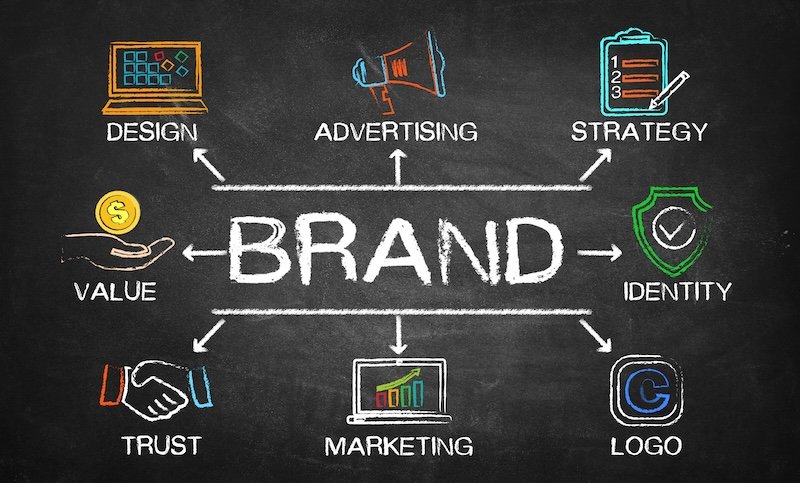
Brand Consistency Can Help Customers Recognize Impersonation
As a marketing agency, we frequently emphasize the importance of consistent branding. Your website, social media profiles, email signatures, and other communications should reinforce the same recognizable identity.
Although consistency cannot prevent impersonation, it can help customers recognize when something doesn’t match their previous experience with your business.
For example, customers who regularly receive professional, clearly written communications may be more likely to question an unexpected message containing unusual payment instructions or unfamiliar contact information. Similarly, maintaining accurate business information across online platforms makes it easier for customers to verify legitimate contact details.
However, branding alone isn’t a security solution. Even convincing logos and familiar language can be copied, which means customers should verify unusual requests through an established communication channel.

Why Your Website Matters During a Brand Impersonation Incident
Your company’s website should serve as an authoritative source of information about your business. When customers receive a questionable message, they need a reliable place to confirm your legitimate contact information.
For that reason, we encourage businesses to maintain accurate phone numbers, email addresses, and other contact details on their websites. Additionally, businesses should keep their Google Business Profiles and relevant online listings consistent with that information.
If an impersonation incident affects multiple customers, a temporary notice on the company’s website may also help clarify the situation. However, the message should be factual and reassuring rather than creating unnecessary alarm.
For example, a company might explain that fraudulent emails are circulating from an unauthorized address and remind customers to verify unexpected payment requests by calling its published telephone number.
By providing clear information through established channels, businesses can reduce confusion while reinforcing their commitment to customer communication.
The Technical Protections Behind a Trusted Brand
Although marketing agencies don’t replace cybersecurity professionals, we should understand how basic email authentication contributes to brand protection.
Three important technologies include:
- SPF (Sender Policy Framework), which identifies servers authorized to send email for a domain.
- DKIM (DomainKeys Identified Mail), which uses digital signatures to help verify email authenticity.
- DMARC (Domain-based Message Authentication, Reporting, and Conformance), which helps receiving systems determine how to handle messages that fail applicable authentication checks.
When properly configured, these technologies can reduce certain forms of domain spoofing. However, they cannot prevent scammers from registering a different, similar-looking domain name.
Therefore, businesses should work with qualified IT professionals to review email security while maintaining accurate and consistent public-facing branding.
What Should You Do If Someone Impersonates Your Business?
If you discover fraudulent communications using your company’s identity, acting quickly can help limit confusion and protect customer relationships.
We recommend several practical steps:
- •reserve copies of suspicious messages and their sender information.
- Notify affected customers through verified communication channels.
- Encourage recipients not to click suspicious links or provide payment information.
- Contact your IT provider to investigate potential security concerns.
- Review your website and online listings for accurate contact information.
- Report fraudulent accounts or impersonation attempts to the relevant providers.
Furthermore, avoid making assumptions about how the incident occurred before the evidence has been reviewed. A measured, transparent response is generally more helpful than speculation.
Protecting the Brand You’ve Worked Hard to Build
At Mountain Marketing Group, we spend considerable time helping businesses become more visible, recognizable, and competitive online. Through website development, search engine optimization, content marketing, and social SEO, we help establish the digital presence that customers use to discover and evaluate companies. However, visibility and reputation are closely connected. As your brand becomes more familiar, protecting the accuracy of your business information and maintaining customer trust become increasingly important.
Although no marketing strategy can eliminate online impersonation, consistent branding, reliable communication, and coordination with cybersecurity professionals can help businesses respond effectively when problems arise.
Ultimately, successful marketing isn’t simply about getting people to recognize your name. It’s about giving them good reasons to trust it.
About Mountain Marketing Group in Eagle, Idaho
Mountain Marketing Group is a full-service marketing agency serving Boise and the rest of the Treasure Valley, as well as clients throughout the United States. We help businesses increase their online visibility through website design, search engine optimization, social SEO, content development, and digital marketing strategies. Our goal is to help clients build recognizable brands, connect with prospective customers, and strengthen their online presence. We help our clients reach new heights.