
Why Google Ads Have Become Necessary for Certain Industries
There was a time when a strong website and consistent organic Search Engine Optimization (SEO) could put a local business in an excellent position to capture customers searching on Google. SEO still matters tremendously. And we would never recommend abandoning it. However, the Google search results page has changed so dramatically that businesses in certain competitive industries can no longer rely on organic visibility alone. Now, Google Ads are often necessary.
Today, a consumer who searches for a plumber, HVAC contractor, attorney, collision repair shop, restoration company, or another high-value local service may encounter multiple paid placements before reaching the traditional organic results. Google Local Services Ads, sponsored Google Business Profile placements, Search campaigns, and other advertising formats can occupy valuable space at the top of the page.
Consequently, even a business with excellent SEO may need Google Ads to compete for the customers who are ready to make a phone call right now.
SEO Still Matters—But the Search Results Have Changed: How Google Ads Factor In
At Mountain Marketing Group, we have focused on SEO for decades because organic visibility builds long-term value. A well-optimized website combined with consistent, useful content helps Google understand what a business does, where it operates, and why its website deserves visibility.
That foundation remains important in 2026. In fact, businesses that invest in advertising without maintaining a strong website and broader digital presence may pay for clicks only to send prospects to a website that fails to convert them.
However, SEO and paid advertising increasingly serve different purposes. SEO develops authority and visibility over time, while Google Ads can place a business directly in front of someone demonstrating immediate buying intent. For certain industries, businesses need both.
Look at What Happens When Someone Searches for a Plumber: Do You Need Google Ads?
Consider a homeowner with water pouring from beneath a kitchen sink. That person probably isn’t going to spend an hour researching plumbing companies. Instead, they may grab their phone, search “emergency plumber near me,” and start contacting businesses displayed near the top of the results.
Depending on the search and location, paid placements may command some of the most prominent positions on that page. By the time the searcher reaches traditional organic listings, they may already have encountered several competitors.
The same dynamic can affect searches for:
- HVAC repair
- Water damage restoration
- Electricians
- Roofers
- Collision repair
- Attorneys
- Pest control
- Garage door repair
- Other urgent or high-value local services
In these industries, visibility at the precise moment someone needs help can directly affect lead volume.
High-Intent Searches Make Paid Google Ads Valuable

Not every Google search has the same commercial value. Someone searching “why is my air conditioner making noise?” may still be gathering information. Meanwhile, someone searching “AC repair near me” probably wants to hire someone.
Google Ads can help businesses target these high-intent searches instead of waiting for a potential customer to find them through another route. That distinction makes paid search particularly useful for services where one new customer can generate significant revenue.
For example, a click that costs several dollars may sound expensive in isolation. However, if that click produces a qualified customer who needs a several-thousand-dollar service, the economics look completely different. Therefore, businesses should evaluate advertising based on qualified leads and customer acquisition—not simply the cost of an individual click.
Local Services Ads Changed the Google Ads Landscape
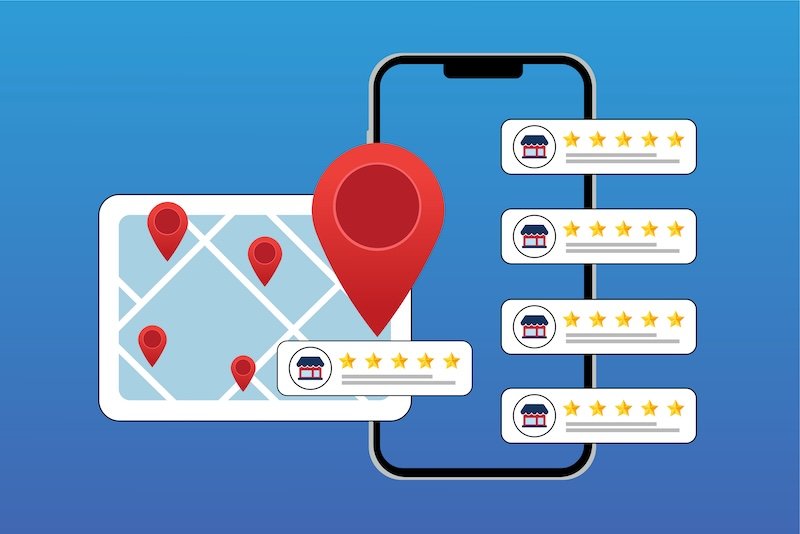
Google Local Services Ads, or LSAs, have also changed how consumers find certain types of local businesses. For eligible industries, these ads can appear prominently when users search for nearby service providers.
Unlike traditional pay-per-click advertising, Local Services Ads generally focus on leads rather than website clicks. Prospective customers can call or contact businesses directly through the placement, which makes LSAs particularly attractive for companies that depend heavily on phone calls and appointment requests.
However, simply participating does not guarantee success. Businesses still need to pay attention to factors such as responsiveness, reviews, service areas, account setup, lead quality, and overall performance. Like every other marketing channel, LSAs require active management rather than a “set it and forget it” approach.
Google Ads Shouldn’t Replace SEO
As paid placements become more prominent, some business owners understandably wonder whether they should stop investing in SEO and put everything into advertising. We don’t recommend that strategy.
Advertising stops producing visibility when you stop paying for it. Organic content, optimized service pages, Google Business Profile activity, reviews, and other SEO efforts can continue contributing value over time. Furthermore, consumers frequently encounter a business through more than one touchpoint before making contact.
Someone might initially see your company in an ad, notice your Google Business Profile, read your reviews, and then visit your website. Another prospect may discover one of your blogs organically and recognize your company later when an advertisement appears.
Rather than treating SEO and Google Ads as competitors, businesses can use them together to occupy more digital real estate and create multiple opportunities for prospects to find them.
Some Industries Need Google Ads More Than Others
We don’t believe every business automatically needs to run every type of Google advertising. Marketing strategies should reflect the industry, competition, geographic market, budget, and value of each new customer.
However, paid advertising becomes increasingly difficult to ignore when several conditions exist. Businesses should seriously consider Google Ads when competitors dominate paid search placements, customers frequently search with urgent intent, individual leads have substantial value, or the local market has become exceptionally competitive.
A plumber in a crowded metropolitan market faces a very different search environment from a highly specialized company with only a handful of competitors. Therefore, the right question isn’t, “Does every business need Google Ads?” Instead, ask, “Can my business afford to give this search visibility to my competitors?”
Running Google Ads Is Not the Same as Running Ads Well
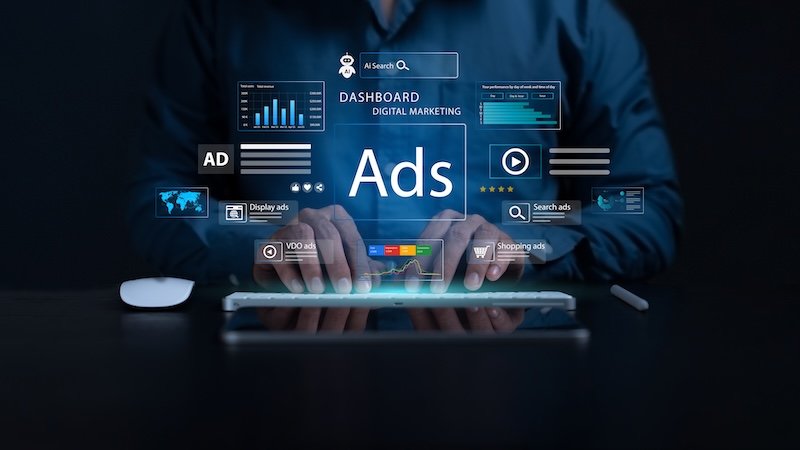
Google makes it relatively easy to create an advertising account and start spending money. Creating a profitable campaign presents a much greater challenge.
Poorly configured campaigns can waste substantial amounts of money on irrelevant searches, inappropriate geographic areas, weak keywords, or audiences unlikely to become customers. Automated recommendations may also encourage advertisers to increase spending or broaden targeting in ways that do not necessarily align with the company’s actual goals.
Effective management requires ongoing attention to search terms, conversions, geographic performance, campaign types, budgets, landing pages, and lead quality. Additionally, marketers need to determine which leads actually turn into customers rather than celebrating impressive-looking click and impression numbers.
After all, thousands of impressions do not pay the bills. Customers do.
Performance Max in Google Ads Add Another Option—and More Complexity
Performance Max, commonly called PMax, allows advertisers to reach customers across multiple Google properties through one campaign type. Google uses automation to determine where and how advertisements appear based on the assets, audience signals, conversion information, and other data available to the campaign.
For the right business, PMax can complement other advertising efforts. However, automation does not eliminate the need for strategy. Campaign goals, conversion tracking, creative assets, geographic targeting, budgets, and performance data still require careful attention.
Furthermore, businesses should understand what they want the campaign to accomplish before handing more decisions to Google’s automated systems. Technology can optimize toward a goal, but the advertiser still needs to make sure it is optimizing toward the right goal.
Your Website Still Has to Do Its Job Even With Google Ads
Buying visibility cannot compensate for a poor customer experience after someone clicks an ad. If the website loads slowly, looks outdated, makes the phone number difficult to find, or fails to clearly explain why someone should choose the company, advertising dollars can disappear quickly.
That is one reason we look at Google Ads as part of a larger marketing ecosystem. Paid advertising, SEO, website design, reviews, social media, Google Business Profile activity, and consistent content all contribute to the way prospective customers evaluate a business.
The strongest strategy connects those pieces. An ad earns attention, the website builds confidence, reviews provide social proof, and strong content reinforces expertise. Together, they give the prospect reasons to make contact.
The Goal Is for Using Google Ads Visibility Where Your Customers Are Looking
Google continues to evolve, and businesses cannot base their 2026 marketing strategies on what the search results looked like five or ten years ago. Organic SEO remains an essential long-term investment, but certain industries now face a search environment where paid placements occupy too much valuable territory to ignore
That does not mean throwing money at Google and hoping something works. Instead, businesses should determine which advertising channels make sense, establish realistic budgets, track meaningful conversions, and continually evaluate whether those campaigns generate worthwhile leads.
At Mountain Marketing Group, we believe effective digital marketing requires both long-term strategy and the willingness to adapt. For many competitive local businesses, that now means combining consistent Social SEO with carefully managed Google advertising. When your customers are searching, the first challenge is making sure they can actually find you.
About Mountain Marketing Group in Eagle, Idaho
Mountain Marketing Group is a full-service marketing agency based in Eagle, Idaho, serving businesses throughout the Treasure Valley and beyond. With decades of marketing experience, Mountain Marketing Group helps businesses improve visibility and generate leads through website design and development, search engine optimization, Social SEO, blogging, social media marketing, Google Business Profile optimization, Google Local Services Ads, Google Search Ads, and Performance Max campaigns. We help our clients reach new heights.