
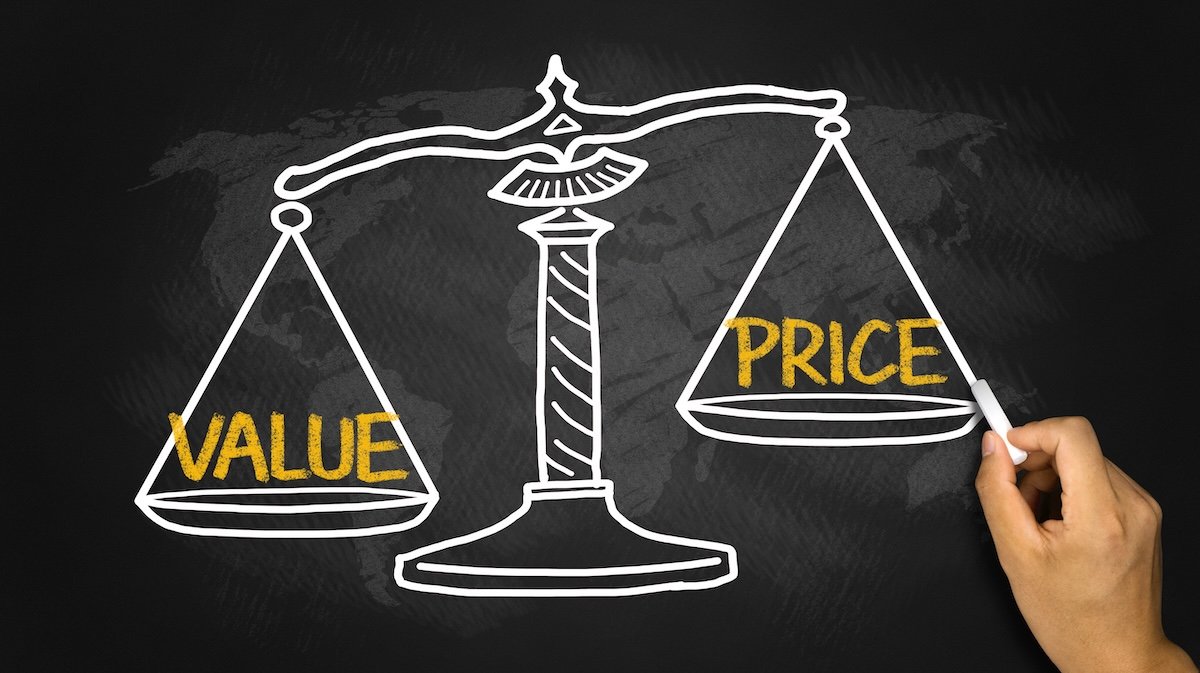
Why Cheap Website Design Often Becomes Expensive After the Fact

If you’ve ever shopped for a new website, you’ve probably wondered why one company quotes several thousand dollars while another promises a professional-looking site for just a few hundred—or even advertises “no upfront cost” with a low monthly payment. At first glance, the less expensive option can seem like the obvious choice. After all, if both companies deliver a website, why spend more?
Unfortunately, that’s where many business owners make a costly mistake. At Mountain Marketing Group, we’ve worked with countless companies that originally chose the lowest-priced option because it fit their budget. Initially, everything seemed fine. Their business had a website, it looked reasonably professional, and the monthly payment felt manageable. However, as their business grew, so did the problems. The site wasn’t ranking well in Google, it wasn’t bringing in leads, updates became frustrating, and eventually they discovered that fixing the website would cost far more than building it correctly from the beginning.
A Cheap Website Won’t Perform, Even If It Is Pretty
Most people judge a website the same way they judge a storefront—they notice whether it looks clean, modern, and inviting. While appearance certainly matters, it’s only one small piece of a successful website.
Search engines evaluate websites very differently than people do. Before Google ever considers how attractive your homepage looks, it analyzes the technical foundation underneath it. Some of the factors that influence rankings include:
- Site architecture and navigation
- Mobile responsiveness
- Page speed
- Internal linking
- Metadata and page titles
- Schema markup
- Crawlability and indexing
- Keyword-focused content
Most visitors never notice these technical elements, but search engines rely on them every day. Together, they help Google understand what your business does, who you serve, and whether your website deserves to appear when someone searches for your products or services. If that foundation is weak, even the nicest-looking website can struggle to compete.
Why Doesn’t My Cheap Website Rank?
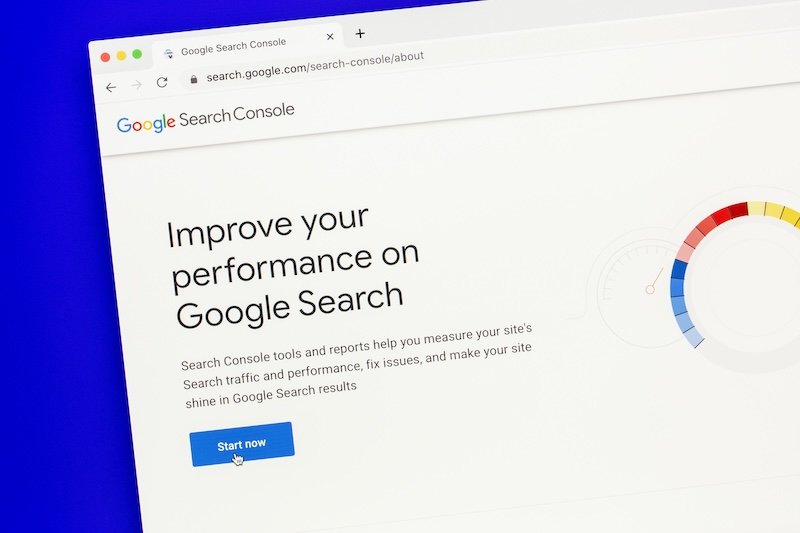
This is one of the most common questions we hear, and the answer is rarely a single issue. Instead, it’s usually the result of dozens of small shortcuts that were taken during development.
For example, many inexpensive websites are built from generic templates designed to get a business online as quickly as possible. While those templates often look attractive, they aren’t necessarily structured for long-term SEO success. Navigation may be confusing, important service pages may never have been created, and the content is often written without any keyword strategy. In other cases, the platform itself limits what can be optimized, making future improvements difficult no matter how much work you put into the site.
Individually, none of those issues may seem significant. Collectively, however, they create a website that simply isn’t equipped to compete in today’s search results.
SEO Begins Before Your Website Launches

Another misconception is that SEO is something you can simply “add later.” While ongoing optimization certainly plays an important role, the strongest SEO starts long before the website ever goes live.
During the planning process, developers make decisions that affect the future performance of the entire site. Those decisions include:
- Organizing pages into a logical hierarchy
- Creating search-friendly URLs
- Planning internal links
- Structuring navigation
- Developing keyword-focused content
- Building a scalable site architecture
These aren’t glamorous tasks, but they’re some of the most important. They create the framework that allows search engines to understand your website and helps visitors find the information they’re looking for. If those decisions weren’t made correctly the first time, improving rankings often requires rebuilding large portions of the website instead of simply adding more blogs or updating a few pages.
Rebuilding Usually Costs More Than Building
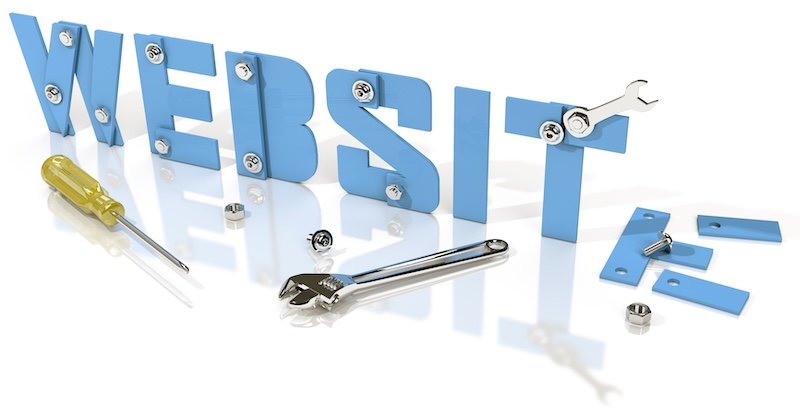
When business owners decide they need a new website, many assume they’re simply paying for a fresh design. In reality, a proper rebuild often involves much more than changing colors and replacing photos.
Depending on the condition of the existing site, the project may include:
- Rewriting website copy
- Preserving existing search rankings
- Redirecting old URLs
- Rebuilding forms and integrations
- Reorganizing navigation
- Recreating metadata
- Improving page speed
- Optimizing images and technical performance
Each of these steps protects the investment you’ve already made. Skip them, and your business could lose years of SEO progress overnight. That’s why rebuilding an inexpensive website often becomes far more expensive than people expected.
The Question Almost Nobody Thinks to Ask About A Cheap Website

Of all the conversations we have with prospective clients, one topic surprises people more than any other.
Imagine you’ve been paying a website company every month for several years. Eventually, you decide it’s time to move in a different direction. Maybe your business has grown. Or maybe you’re unhappy with the service. Maybe you’ve simply found another agency that feels like a better fit.
Then you hear something you never expected:
“You can’t take your website with you.”
Most business owners are stunned because they naturally assume they’ve been paying to own the website. In reality, that’s not always how the arrangement works.
“No Contract” Doesn’t Always Mean You Own the Website

Many website companies advertise that they don’t require long-term contracts. Instead, they offer affordable month-to-month plans, which sounds flexible and appealing. However, what isn’t always explained is who actually owns the finished product.
In some cases, the monthly payment is essentially a lease. The company owns the website, hosts it on its own platform, and allows you to use it only while you remain a customer. If you leave, the website stays behind.
You may still own your domain name, but you may not own:
- The website design
- The written content
- The page layouts
- The functionality
- The years of work invested in building the site
There’s nothing inherently wrong with this business model if it’s explained clearly from the beginning. Unfortunately, many business owners don’t learn about it until they’re ready to switch providers—and by then, it’s too late.
Website Migrations Aren’t as Simple as They Sound
Even when you do own your website, moving it to another platform isn’t always a one-click process. Different website builders use different technologies, and some make exporting content much easier than others.
A successful migration involves much more than copying pages from one platform to another. It also requires preserving SEO value, redirecting URLs, testing forms, checking internal links, and making sure visitors—and search engines—can still find everything they expect. When handled properly, a migration creates new opportunities for growth. When handled poorly, it can erase years of hard-earned search visibility.
Ask One Question Before You Sign Up for a Cheap Website
Whether you’re considering a budget website or investing in a custom build, ask one simple question before signing any agreement:
“If I ever leave, do I own my website and can I take it with me?”
If the answer isn’t an immediate and unconditional “yes,” keep asking questions until you fully understand the arrangement.
At Mountain Marketing Group, we believe your website should be one of your company’s most valuable business assets—not something you rent indefinitely or lose because you changed marketing agencies. That’s why every website we build belongs to our client. We believe long-term relationships should be earned through results, responsive service, and measurable growth—not by making it difficult or expensive for a business owner to leave.

About Mountain Marketing Group in Eagle, Idaho
Mountain Marketing Group is a full-service digital marketing agency serving businesses throughout Idaho and across the United States. We specialize in custom WordPress website design, search engine optimization (SEO), Answer Engine Optimization (AEO), Google Ads management, Local Services Ads, website migrations, content marketing, and social media marketing. Every website we build is designed with long-term growth in mind, giving clients full ownership of their website while creating the technical foundation needed for stronger search rankings, better user experiences, and measurable business growth. Our mission is simple: We help our clients reach new heights.