

Understanding the Difference Between SEO vs. Social Media Engagement

When business owners invest in social media marketing, they often expect to see more followers, comments, shares, and conversations with potential customers. While these activities can help build relationships and increase brand awareness, they represent only one way social media can support a company’s marketing efforts. In fact, social media can serve an entirely different purpose when it becomes part of a coordinated search engine optimization strategy.
At Mountain Marketing Group, our Social SEO program focuses on helping businesses strengthen their online visibility rather than generating viral content or managing conversations with followers. We use original website content and strategic social distribution to reinforce three essential messages: who you are, what you do, and where you do it. Although traditional social media engagement is valuable, understanding the distinction between these approaches helps businesses establish realistic expectations and invest in the marketing strategies that best support their goals.
What Is Traditional Social Media Engagement?


Traditional social media marketing focuses on attracting attention, building relationships, and encouraging interaction between businesses and their audiences. Whether through entertaining videos, behind-the-scenes photographs, customer stories, or timely conversations, the objective is to give people reasons to engage with a company’s content.
For example, a restaurant might share a video of its chef preparing a signature dish, while an auto body shop might post photographs of an unusual restoration project. Both approaches encourage people to interact with the business, even when they aren’t actively shopping for its services.
Engagement-focused social media marketing commonly includes:
- Videos, reels, and entertaining content designed to attract attention.
- Questions, polls, and discussions that encourage audience participation.
- Customer stories, testimonials, and behind-the-scenes photographs.
- Community involvement, events, and timely announcements.
- Responding to comments, messages, and customer inquiries.
These activities can strengthen customer loyalty and keep a business visible among its followers. However, creating engaging content requires a different strategy, along with ongoing audience interaction and community management.

How Our Social SEO Strategy Works
Our Social SEO program approaches social media from a search engine optimization perspective rather than an entertainment or engagement perspective. Instead of beginning with what might attract the most likes, we begin by identifying the services our clients provide, the questions potential customers ask, and the geographic markets they serve.
From there, we create original, keyword-focused blog content that lives on each client’s website. We then distribute that information through appropriate social media and business platforms, using relevant descriptions and links that direct interested readers back to the original article.
This coordinated approach consistently reinforces three important elements:
- Who you are: Your company name, professional expertise, and brand identity.
- What you do: Your services, specialties, and the problems your business solves.
- Where you do it: Your location, service areas, and communities you serve.
By connecting these elements across a company’s website and other online platforms, we help establish a consistent digital presence that supports broader SEO efforts.
Why Backlinks and Content Distribution Matter
One of the most important differences between our Social SEO program and traditional social media marketing is how we use links. Rather than treating social platforms as the final destination, we use them to introduce people to useful information published on our clients’ websites.
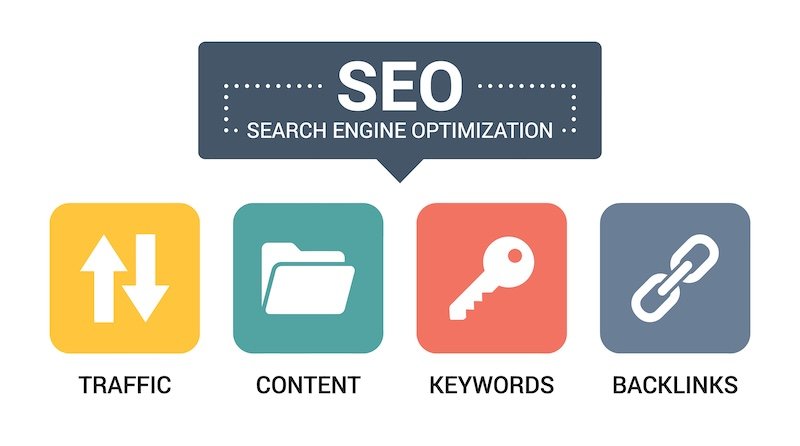
For example, when we publish a blog about water damage restoration in Boise, we distribute related content that directs readers back to the original article. That website content provides the detailed information, while social distribution creates additional opportunities for discovery and referral traffic.
However, an important distinction exists between social media links and traditional SEO backlinks. Most social platforms limit the ranking value passed through their outbound links, so posting links does not automatically improve Google rankings. Nevertheless, consistent content distribution can increase brand exposure, generate website visits, and create opportunities for other websites to discover and reference useful information.
Consequently, our strategy uses social media to support a broader SEO program rather than relying on social links alone to produce higher rankings.
Why Likes and Shares Aren’t Our Primary Measurement

A social media post can receive hundreds of likes without generating a single qualified website visitor. Conversely, an educational article might attract relatively little social engagement while helping someone researching a particular service discover a business.
Consider a plumbing company that publishes an entertaining video about an unusual repair. Although the video may attract considerable attention, those viewers might live outside the company’s service area or have no immediate need for plumbing services. Meanwhile, a detailed article answering a local homeowner’s question about sewer line problems may reach fewer people but attract visitors with greater interest in the company’s services.
For this reason, we evaluate Social SEO using measurements that more closely reflect search visibility and website performance, including:
- Organic search traffic and relevant keyword visibility.
- Website visits from social content distribution.
- Visibility for targeted services and geographic areas.
- Growth in useful, search-focused website content.
- Leads and inquiries generated through online discovery.
These measurements help us evaluate how our work contributes to a company’s overall digital presence without confusing social popularity with search engine performance.
Why Businesses Can Benefit From Both Strategies

Although Social SEO and traditional social media engagement have different objectives, businesses don’t necessarily have to choose between them. In fact, combining both approaches can help companies reach potential customers at different stages of their decision-making process.
Engagement-focused content introduces the people behind a business, encourages conversations, and builds familiarity with its brand. Meanwhile, Social SEO supports the website content that helps potential customers find information about specific services when they begin searching for solutions.
For example, a collision repair company might use engagement marketing to highlight employees, community activities, and customer experiences. At the same time, our Social SEO program could distribute educational articles about collision repairs, vehicle safety, and insurance-related questions.
Together, these strategies can support brand recognition and online discovery without expecting either approach to accomplish everything.
Your Website Should Remain the Center of Your Marketing

Another important reason we emphasize Social SEO is that businesses should not depend entirely on social media platforms for their online presence. Algorithms change, platform policies evolve, and organic reach can fluctuate without warning, making it difficult to control how consistently followers see published content.
By creating original articles on our clients’ websites first, we help build a lasting collection of information about their services and expertise. Social media then becomes a distribution tool that supports those website assets rather than replacing them.
Furthermore, useful website content can continue attracting search visitors long after its initial publication, providing opportunities for discovery that extend beyond the lifespan of an individual social post.
Social SEO Is About Search Visibility, Not Going Viral
At Mountain Marketing Group, we believe every marketing activity should have a clearly defined purpose. Our Social SEO program is designed to support search visibility through consistent website content, geographic relevance, and strategic distribution, rather than entertaining audiences or managing social media conversations.
That doesn’t diminish the value of engagement-focused marketing. Instead, it recognizes that businesses can benefit from different approaches depending on whether they want to build an interactive community, improve their search presence, or accomplish both objectives.
We help our clients reach new heights.